Ngorongoro Conservation Area, Serengeti National Park & Tarangire National Park,
Days
4 Days
Duration
3 Nights
Transport
Private Vehicle Transfers
Meal Plan
Full Board – Breakfast, Lunch, and Dinner
Pick up and Drop off
Yes
Accomodation
Number of clients
2-6
Stay Duration
3 Nights
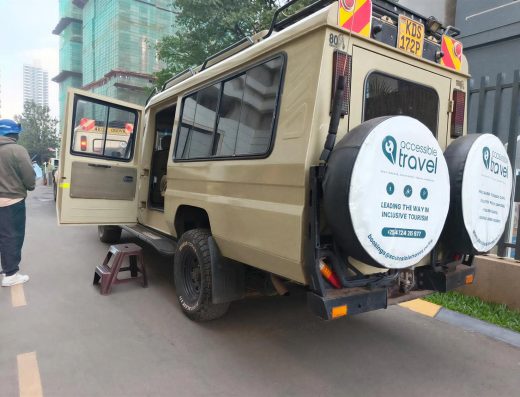
Discover the beauty of Tanzania through a professionally curated, accessible safari experience designed for travelers with disabilities, seniors, families, and inclusive travel groups. Accessible Travel Tanzania specializes in barrier-free adventures across Kenya’s top safari destinations, combining comfort, accessibility, wildlife, and authentic African experiences.
Whether you dream of witnessing the Great Wildebeest Migration in Maasai Mara National Reserve, spotting rhinos in Lake Nakuru National Park, or enjoying a peaceful boat ride on Lake Naivasha, this inclusive Kenya safari package ensures every traveler experiences Africa with dignity and ease.
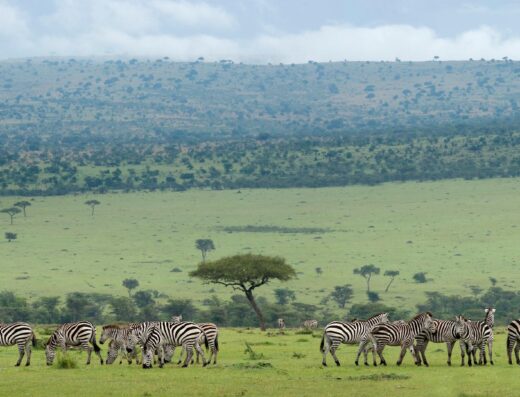
Tarangire is a park of giant baobab trees, rolling savannah, and acacia parkland. It is famous for its dense wildlife population, which is most spectacular in the dry season between June and September. It is during this period that thousands of animals wildebeest, zebra, eland, hartebeest, buffalo, and oryx migrate from the dry Maasai steppe to the Tarangire River in search of water. Birds are also abundant here and over 550 species have been recorded.
The western Lake Burungi route, a pleasant drive of about 80 km, meanders through combretum (a genus of about 250 species of trees and shrubs native to Africa) and acacia woodlands. With a bit of luck, it is quite possible to encounter leopards and rhinos in this area. The route also features lovely views of lakes Burungi and Manyara as well as the peaks of Milima Mitatu, or “Three Hills.”
The Kitibong Hill route also covers the western section of the Tarangire National Park and is centered on the Kitibong Hill. The route features Combretum and acacia woodlands and the Gursi floodplains to the south, as well as a large variety of plain animals, including buffalo and elephant.
Day 2:Center Serengeti ,Seronera Valley & Big Cat Game.
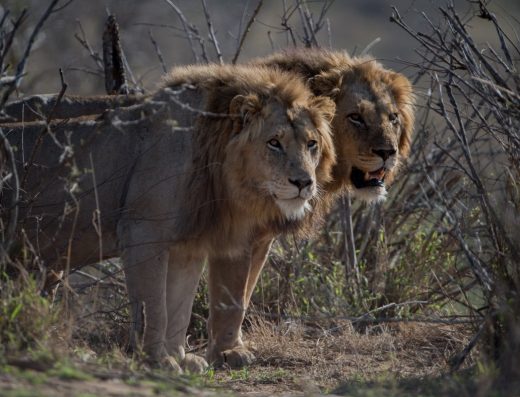
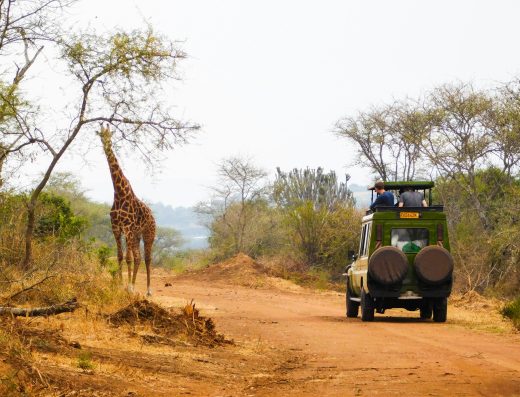
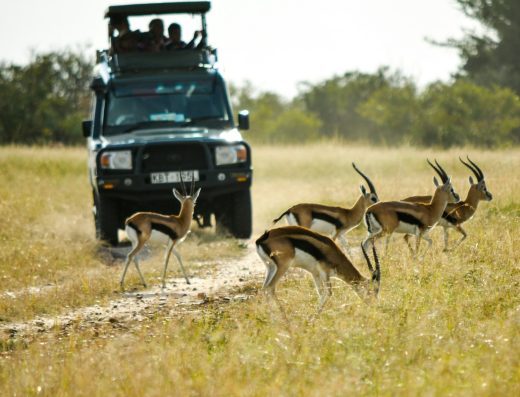
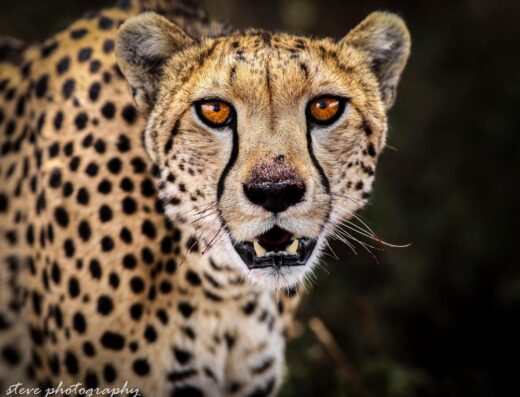
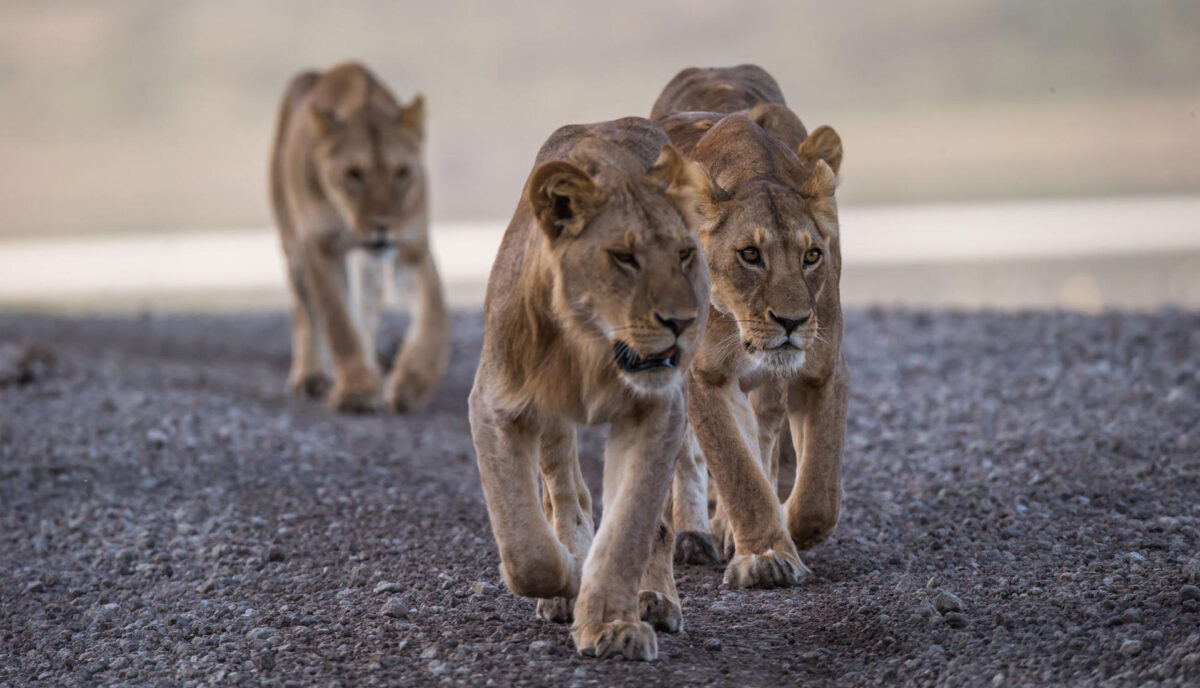
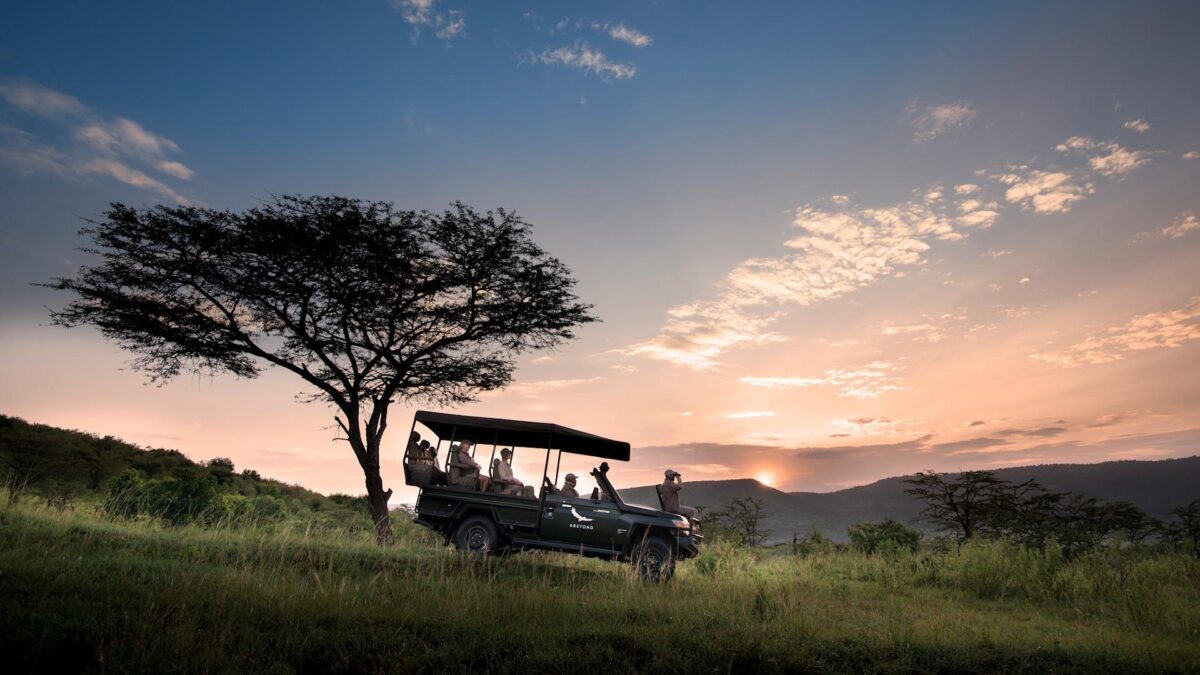
We leave the lodge, driving to the Serengeti via the Ngorongoro Conservation Area (3 hr drive). Today is a full day of exploring the amazing array of wildlife and landscapes from the Ngorongoro Conservation Area to the central Serengeti. Seronera is one of many world-famous attractions in the Central Serengeti covered Area 1800 square Miles with long grass plains, savannah, riverine areas, lakes, and granite kopje topography. Despite offering good viewing game drives all year, Seronera Valley also supports a much greater diversity of resident wildlife than anywhere else in the Serengeti, including elephant, giraffe, impala, waterbuck, hippo, topi, reedbuck, buffalo, and baboon. This resident prey in turn attracts the highest concentrations of large predators & big cats in Africa, such as lions, leopards, and cheetahs & populations of hyenas and a multitude of smaller predators (mongoose, jackal, serval, and bat-eared fox).
Day 3 : Serengeti to Ngorongoro Conservation Area
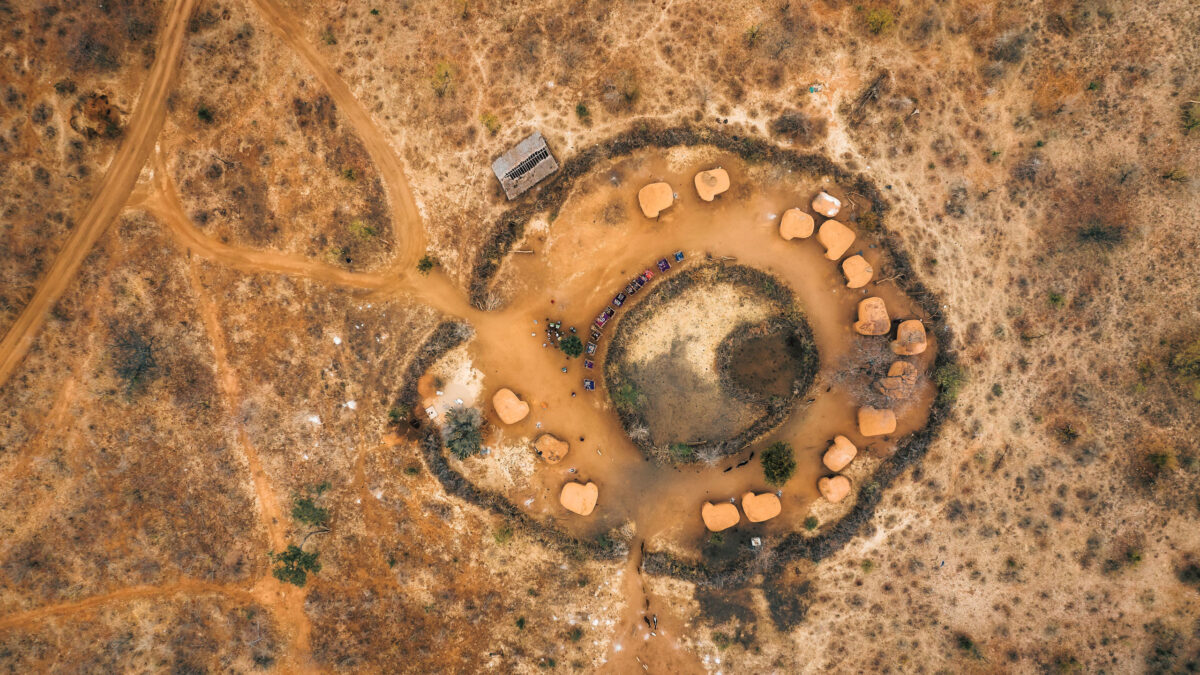
Today we leave the Serengeti and drive to Ngorongoro Crater, passing some very scenic landscapes. En route to the Ngorongoro Crater, we stop by Maasai bomas to enjoy the local Maasai traditional dances and learn some of their culture, including how they survive in an environment with some dangerous wild animals such as lions.
Day 4: Ngorongoro Crater
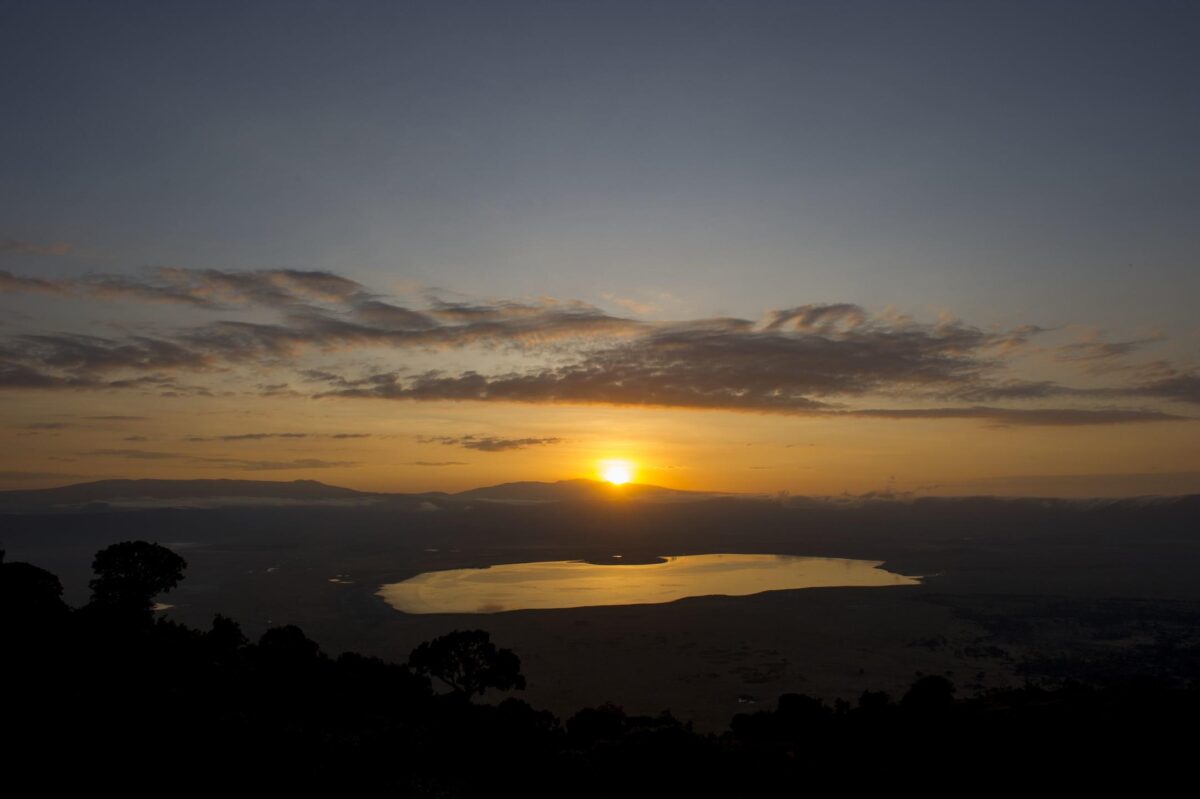
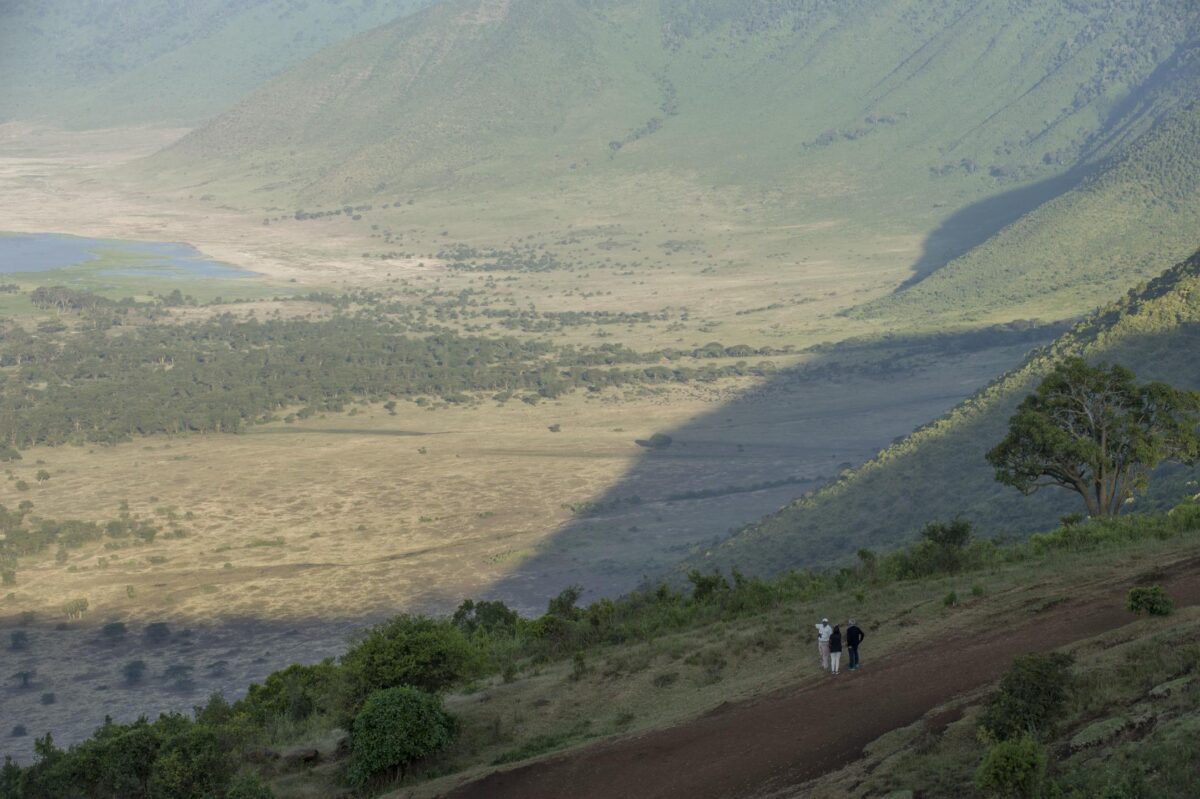
Today, after enjoying a morning crater view at the viewpoint, you enjoy a full day of game viewing on the Ngorongoro crater floor. Called the eighth wonder of the world, the crater won’t fail to take your breath away as you stand on the rim looking down at a 10-mile-wide crater floor with abundant wildlife. The Ngorongoro Crater is the largest unbroken volcanic caldera in the world, covering approximately 260 sq. km with walls rising 600 meters from the crater floor. Before the Ngorongoro Volcano exploded and collapsed 2 million years ago, the area was home to some of the tallest mountains. It is home to more than 30,000 large mammals, mainly gazelle, buffalo, eland, hartebeest and warthog, and has the highest predator density in the world
Best Time for an Accessible Tanzanian Safari
The best months for safari in Tanzania are:
June to October – Dry season with excellent wildlife viewing and dramatic Mara River crossings in the northern Serengeti
January to February – Calving season in the southern Serengeti (Ndutu), with intense predator action
Book Your Accessible Safari in Tanzania
Travel should be for everyone. At Accessible Travel Tanzania , we create inclusive safari experiences that allow every traveler to enjoy Tanzania comfortably and confidently.