Accessible wellness travel in Kenya: what new research means for travellers with disabilities
Wellness travel is no longer just spas and yoga. New research from FINN Partners and GSIQ Tourism Insights shows that most active wellness trips are now built around nature, shared interests and a sense of achievement. For travellers with disabilities, that is good news: Kenya’s safaris, coast and community trips already offer all three, as long as access is planned properly.
The study, Wellness Travel on the Move (2026), surveyed 7,034 engaged international travellers in China, India, Germany, the United States, the United Kingdom, France, Spain, Canada and Mexico. Here is what it found, and what Accessible Travel Kenya takes from it.
1. Nature is the main door into wellness travel
Three in four surveyed travellers (75%) had taken at least one active wellness trip abroad in the previous two years. Nature-based trips led at 65%, ahead of sport (46%) and retreats (41%). The report’s conclusion is that a destination does not need to invent a wellness identity: it may already have the coastline, the guides or the landscape that gives someone a reason to book.
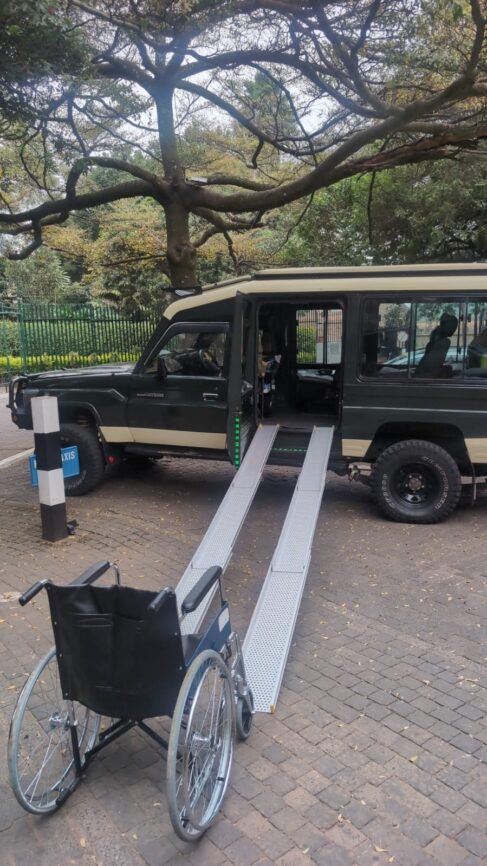
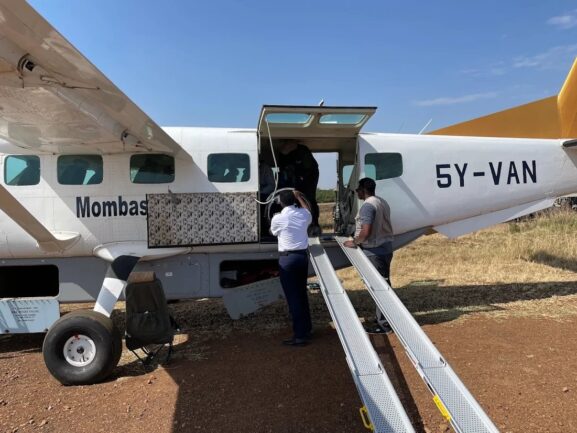
Kenya is that kind of destination. A slow game drive in the Maasai Mara or Amboseli, a morning in Nairobi National Park, or a week on the coast at Diani are nature experiences in their own right. What travellers with disabilities need is the access: Land Cruisers with ramps and pop-up roofs, step-free rooms that have been measured, and a pace with rest built in. See how a wheelchair-accessible safari in Kenya works.
2. Shared interests give people a reason to travel together
The research found that travelling with people who share an interest appeals to 27% of surveyed travellers, and that connection is reported far more often than it is sought: 51% said they gained it, compared with 35% who went looking for it. Among those who valued group experiences, 55% named time together in good company and 39% named lasting friendships.
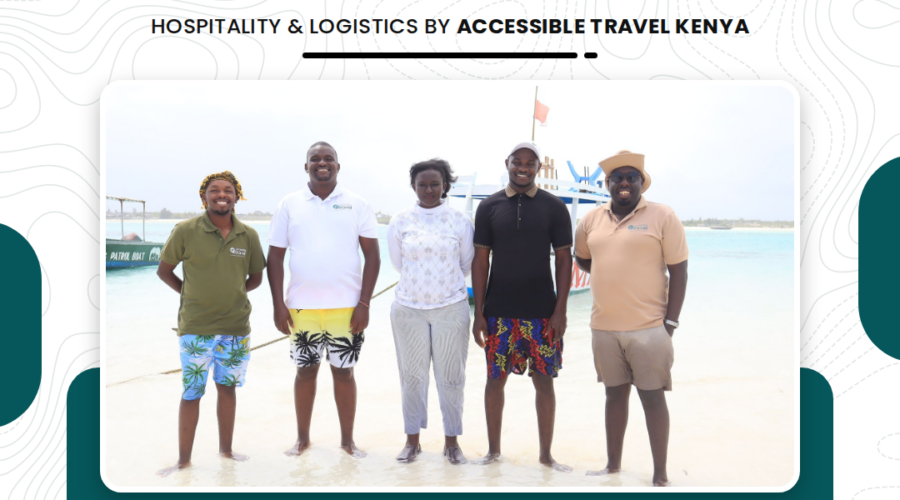
Accessible Travel Kenya has seen this first-hand. On Kenya Beyond Sight, a group of travellers with visual impairments, physical disabilities and albinism travelled across Kenya together to experience the country through touch, sound, taste and connection. For many disabled travellers, a group of people who understand your needs removes a large part of the worry about going at all.
3. Travellers come home with more than they came for
The clearest finding in the report is the gap between what people seek and what they report gaining. Confidence was sought by 38% of travellers but reported by 55%. Personal growth rose from 39% to 53%, and connection from 35% to 51%. The authors are careful to note that these are self-reported and do not prove the trip caused them.
Accessible Travel Kenya’s guests describe the same thing. Will Ramsay, a UK wheelchair user, came to Kenya with his spouse, then returned within four months and brought his mother. Bryce Young called his Nairobi and Amboseli trip “enjoyable and safe (not just possible)”. Read Bryce’s story.
4. Relaxation still matters most
For most respondents, a good holiday is uncomplicated: relaxation and rebalancing (40%) and quality time with loved ones (33%) led. Only 16% actively wanted a trip that builds lasting habits. The report warns against treating every traveller as a self-improvement project. A restorative week can matter without becoming a programme.
That is why Accessible Travel Kenya plans easy-pace itineraries by default: short drives, at least two nights per stop, rest afternoons and rooms checked before you arrive.
What this means for accessible travel in Kenya
The report closes with five considerations for the travel industry. Applied to accessible travel, Accessible Travel Kenya reads them like this:
- Broaden the category. A safari, a beach week or a hospital visit with family can all be wellbeing travel. Accessibility is what makes them possible.
- Organise around interests. Group trips for travellers with similar needs or interests, with the freedom to join in or rest.
- Measure more than the booking motive. Ask guests what they actually valued, not only what they booked.
- Specialise with substance. Trained driver-guides, measured rooms and written accessibility reports, not a label.
- Market the purpose of the trip. Be clear about the pace, the effort and the support, so travellers can choose with confidence.
Plan an accessible nature trip in Kenya
Tell Accessible Travel Kenya how you move, what you want to see and who is coming with you. Message the team on WhatsApp at +254 724 215 977 or use the Plan your holiday form.
Source: FINN Partners Global Intelligence Lab and Global Travel Practice with GSIQ Tourism Insights, Wellness Travel on the Move: The communities, experiences and new purposes reshaping wellness travel around sports, nature and retreats, 2026. Survey of 7,034 engaged international travellers in nine markets (GSIQ TACTIQ International Traveller Tracker, Wave 5, September 2026), weighted to 9,000. Figures are as reported in the study.