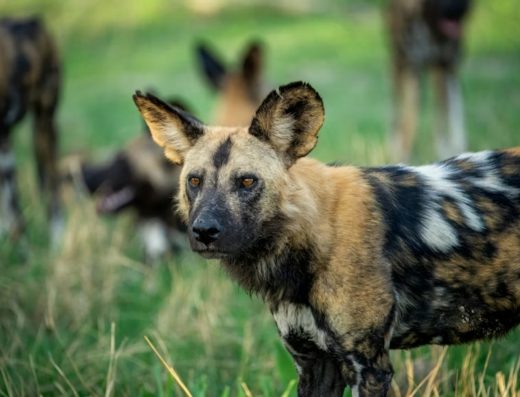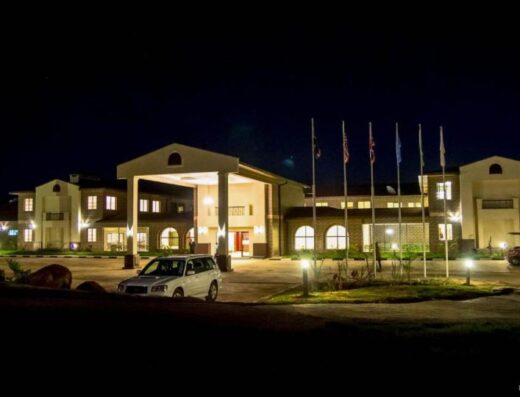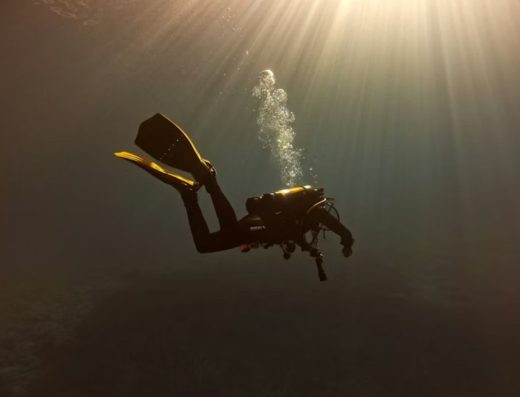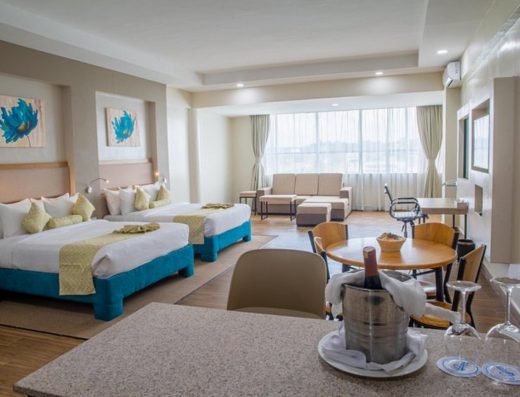
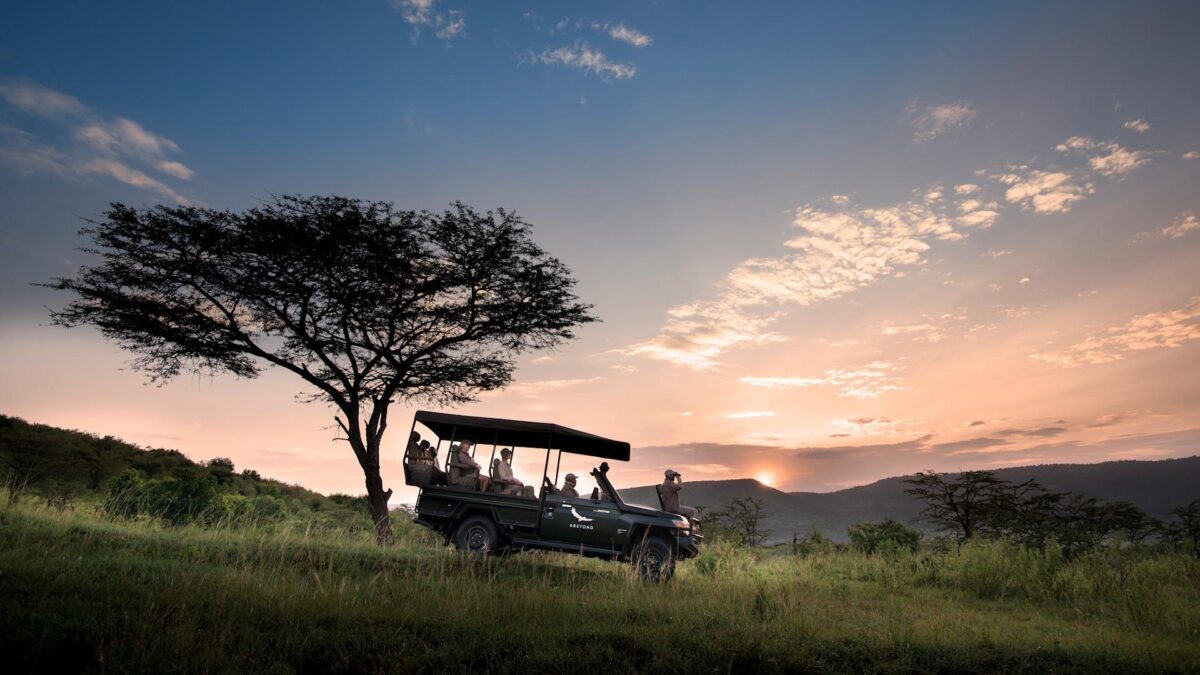
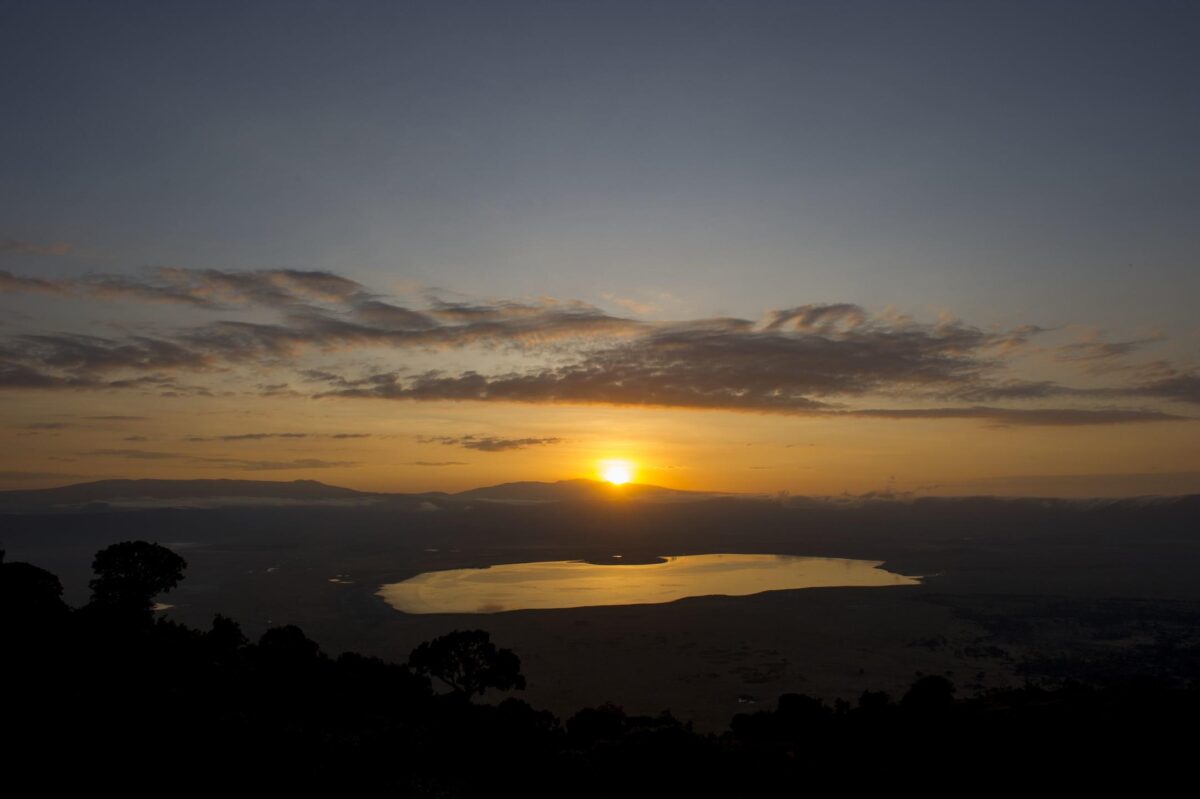
Tarangire, the Serengeti (Seronera & Ndutu), Ngorongoro Crater, Lake Manyara, Serval Wildlife Sanctuary, Materuni waterfalls, Chemka Hot Springs in Chagga highlands.
Days
7 Days
Duration
6 Nights
Transport
Private Vehicle Transfers
Meal Plan
Full Board – Breakfast, Lunch, and Dinner
Pick up and Drop off
Yes
Accomodation
Number of clients
2-6
Stay Duration
6 Nights
Discover the beauty of Tanzania through a professionally curated, accessible safari experience designed for travelers with disabilities, seniors, families, and inclusive travel groups. Accessible Travel Tanzania specializes in barrier-free adventures across Kenya’s top safari destinations, combining comfort, accessibility, wildlife, and authentic African experiences.
Whether you dream of witnessing the Great Wildebeest Migration in Maasai Mara National Reserve, spotting rhinos in Lake Nakuru National Park, or enjoying a peaceful boat ride on Lake Naivasha, this inclusive Kenya safari package ensures every traveler experiences Africa with dignity and ease.
Upon your arrival at Kilimanjaro Airport, you will be welcomed by your guide and transferred to Arusha for a safari briefing and overnight stay. Depending on your arrival time, you can choose to relax at the hotel and take a walk in Arusha city. Your Guide will accompany you if you are interested.
Dinner and Overnight Forest Hill Hotel
Day 1 | Tarangire National Park
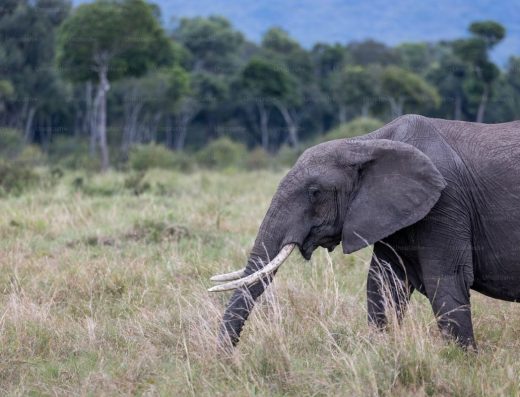
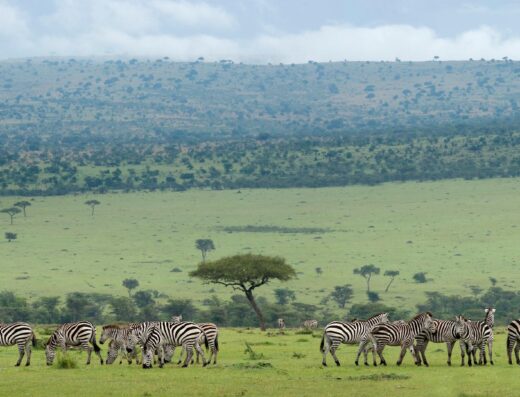
After breakfast, we drive to Tarangire National Park for some very rewarding game drives. Tarangire National Park has some of the highest population density of elephants anywhere in Tanzania, and its sparse vegetation, strewn with baobab and acacia trees, makes it a beautiful and special location. Before the rains, droves of gazelle, wildebeest, zebra, and giraffes migrate to Tarangire National Park’s scrub plains, where the last grazing land still remains.
Overnight stay at Africa Safari – Karatu
Day 2: Center Serengeti – Seronera Valley & Seronera River area – Big Cat Game.
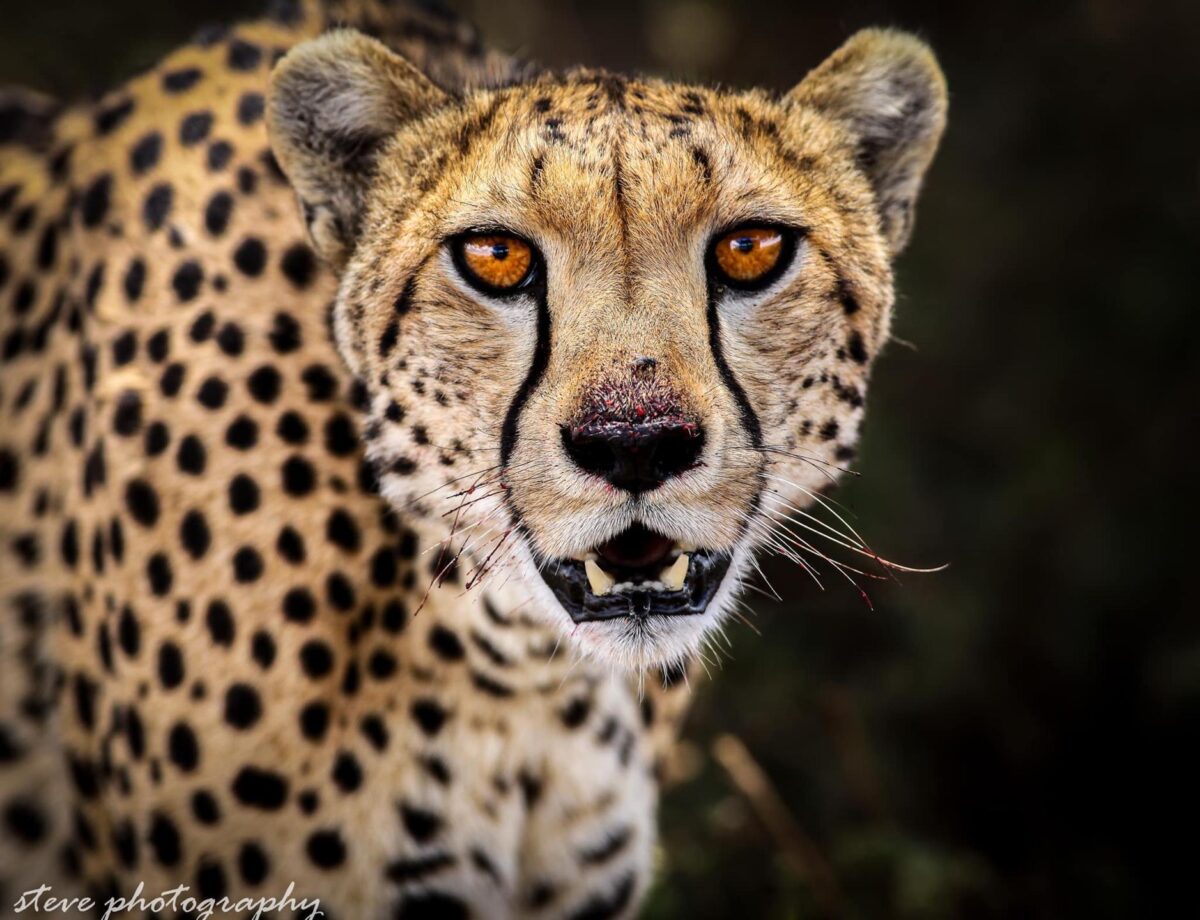
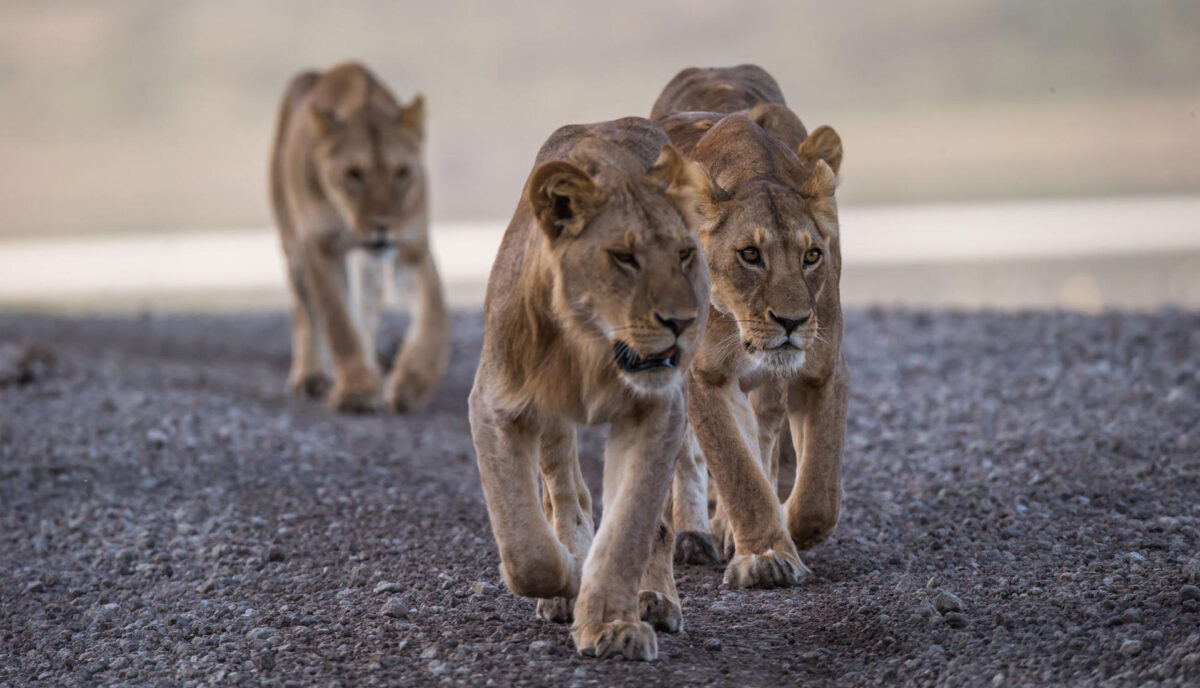
Today we continue to explore the Center region of the Serengeti, where we look for large herds of wildebeests pounding the plains while hungry predators such as lions, leopards, and cheetahs try to prey upon the youngest and weakest members of the herds. Another night at Moyo Tented Camp
Overnight atSerengeti Heritage Tented Camp
Day 3 | Southern Ngorongoro – Ndutu Area – savage Kingdom
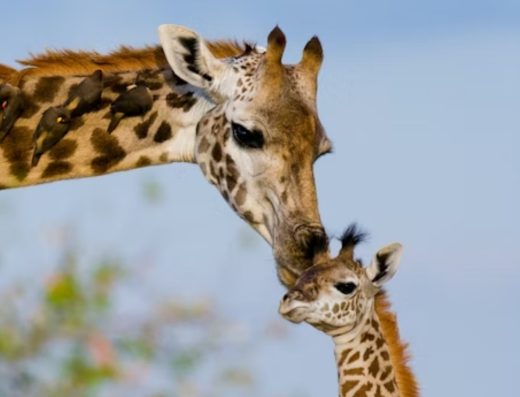
Today you head into the southern reaches of the Ngorongoro Conservation Area, the Ndutu plains, during the wildebeest calving season, when the grasslands fill with thousands upon thousands of animals and new life arrives daily.
This region becomes the stage for one of nature’s most significant performances: mothers and calves, driven by instinct, navigate the challenges of birth in the wild, while predators and prey engage in an age-old struggle for survival within the delicate balance of the Serengeti–Ngorongoro ecosystem.
Every moment holds the promise of wonder. Whether you’re a seasoned traveler or new to African safaris, a Southern Ngorongoro–Ndutu safari isn’t just a destination—it’s a journey into the heart of nature’s grand theater.
After breakfast around 7 AM, you’ll depart camp with a packed lunch for a morning game drive in the Central Serengeti. Depending on what you’ve already seen and your interests, your guide will choose from the region’s several game-drive circuits — you’re very likely to spot a good number of big cats, especially lions, alongside a diverse array of other wildlife. In the afternoon, you’ll depart for the Ngorongoro Conservation Area.
Called the eighth wonder of the world, the Ngorongoro Crater won’t fail to take your breath away as you stand on the rim looking down over the 10-mile-wide crater floor teeming with wildlife. It’s the largest unbroken volcanic caldera on Earth — roughly 260 sq km, with walls rising 600 metres from the floor. Before the volcano collapsed some 2 million years ago it was one of the world’s tallest mountains; today it’s home to more than 30,000 large mammals (mainly gazelle, buffalo, eland, hartebeest and warthog) and has the highest predator density in the world.
Overnight: Suricata Boma
Day 5 | Lake Manyara National Park
Leave the Ngorongoro Crater for a scenic drive to Lake Manyara National Park, a unique and picturesque park set around a stunning lake with inspiring views and wonderfully varied wildlife and birdlife. Manyara is a shallow, alkaline lake at the base of the Rift Valley’s dramatic western escarpment, giving the park a beautiful and serene setting. Its main draws are the rich birdlife, the famous tree-climbing lions, and hippos that can often be seen at closer range than almost anywhere else.
Overnight: Forest Hill Hotel
Day 6 | Serval Wildlife Sanctuary
Today offers a different kind of wildlife experience. Unlike traditional game viewing, Serval Wildlife Sanctuary lets you interact intimately with the animals, feeding them, meeting them up close, and capturing incredible moments as they roam freely.
Located in the Kilimanjaro area of Siha District, just a 35-minute drive from Kilimanjaro International Airport, the sanctuary is a benchmark for upmarket ecotourism. Its carefully managed ecosystem features over 3,000 hand-planted flora species that directly support the wildlife living there.
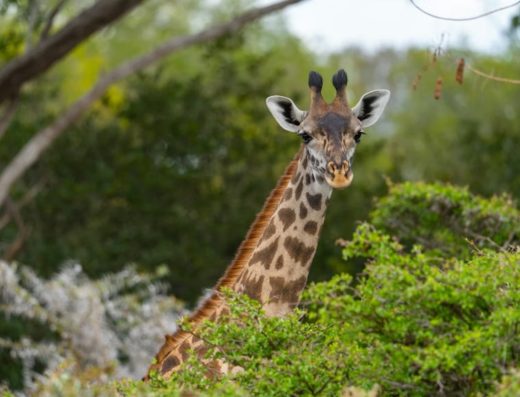
The sanctuary is currently home to a variety of animals, including African lions, colobus monkeys, Maasai giraffes, bat-eared foxes, elands, ostriches, blue monkeys, and vervet monkeys, offering unforgettable direct encounters with free-roaming wildlife.
Overnight: Tulivu Villas – Moshi, Kilimanjaro
Day 7 | Materuni Waterfalls, Chagga Coffee Tour & Chemka Hot Springs
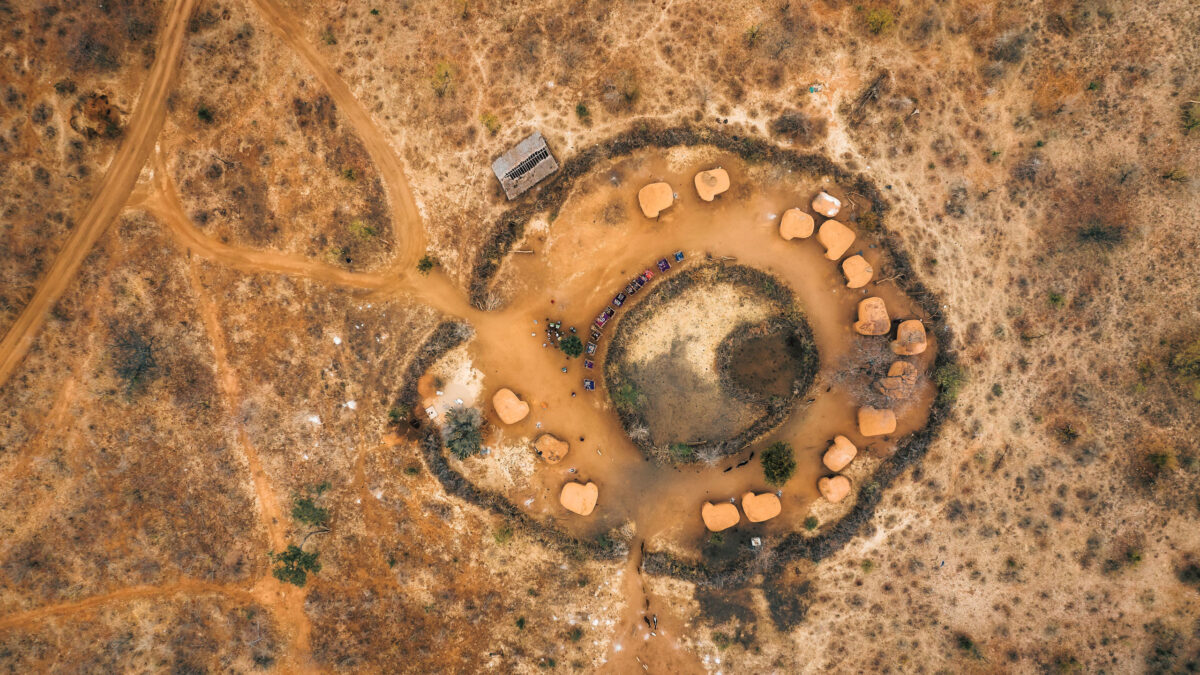
Begin with a visit to the Materuni waterfalls, about a 40-minute walk from the village. Along the way, your guide shares the culture of the Chagga people, village life, and the surrounding flora and fauna. The views are breathtaking, and with a little luck you may even glimpse the summit of Kilimanjaro. At the falls—over 80 meters high—take in the scenery before slowly making your way back.
Next, return to a traditional Chagga home for a local lunch, with a chance to taste the region’s banana beer—not to be missed. The coffee experience follows: learn how coffee is grown, dried, roasted and processed, and join in the grinding, traditionally accompanied by Chagga songs and dances. Before heading back to Moshi in the afternoon, savor the coffee you made while enjoying views of the surrounding rainforest.
Chemka Hot Springs
Roughly a 1–2 hour drive from Moshi, the Chemka Hot Springs (also known as Rundugai or, locally, Kikuletwa Hot Springs) are hidden within a lush green forest—a paradisiacal oasis of crystal-clear, warm water surrounded by dense vegetation. A rare geothermal phenomenon in Tanzania, its several small spring-fed lakes of clean, ever-flowing warm water make it the perfect place to unwind before or after a safari or Kilimanjaro trek.
Evening: Transfer to Kilimanjaro Airport for your onward flight to Zanzibar. (We’re happy to arrange this flight for you on request.)
Best Time for an Accessible Tanzanian Safari
The best months for safari in Tanzania are:
June to October – Dry season with excellent wildlife viewing and dramatic Mara River crossings in the northern Serengeti
January to February – Calving season in the southern Serengeti (Ndutu), with intense predator action
Book Your Accessible Safari in Tanzania
Travel should be for everyone. At Accessible Travel Tanzania , we create inclusive safari experiences that allow every traveler to enjoy Tanzania comfortably and confidently.